
10 Things Buyers Notice First When Entering Your Home and How to Impress Them

Buyers start judging a home before they step inside. The front walk, the smell at the door, the light in the hallway, and the amount of clutter all shape the first impression.
Small fixes can make a big difference. Focus on what buyers notice first, then make each area feel clean, bright, and easy to imagine living in.

Curb appeal sets the expectation
1. The front yard and exterior
The outside tells buyers how well the home has been cared for. Peeling paint, weeds, dirty windows, and overflowing gutters can make them look for more problems inside.
Make the exterior feel maintained.
Mow the lawn and edge the walkway.
Pull weeds from beds, cracks, and borders.
Wash windows and siding where needed.
Add fresh mulch for a clean, finished look.
Replace broken porch lights or house numbers.
Do not overdo it. A neat yard beats a complicated one.
2. The front door and porch
The front door creates a pause. Buyers stand there while the agent unlocks the home. They notice scuffed paint, dust, cobwebs, cracked pots, and old mats.
Refresh this spot first. Paint the door if it looks worn. Clean the hardware. Shake out or replace the doormat. Keep porch decor simple. One healthy plant looks better than five faded decorations.
The goal is simple: make buyers feel welcome before the door opens.
The entry gives buyers their first indoor read
3. The entryway
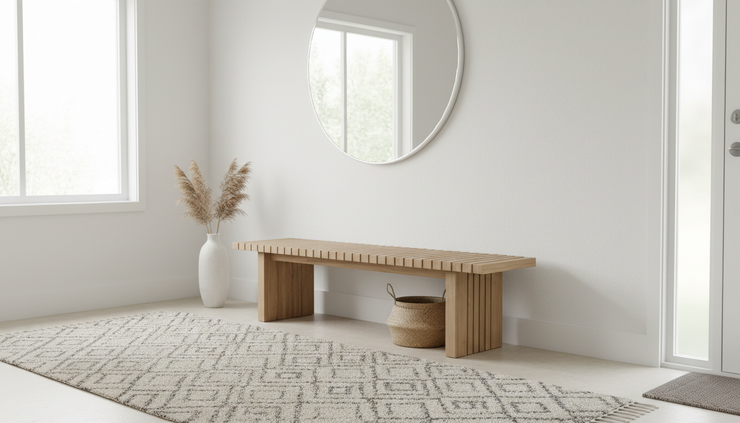
The entryway answers a key question fast. Does the home feel calm or crowded?
Shoes, bags, mail piles, pet gear, and bulky furniture make the space feel smaller. Clear the floor. Remove extra hooks and baskets. Leave only what makes the space useful and open.
If the entry is narrow, use a small mirror to reflect light. Add a clean runner if the flooring needs warmth. Keep wall art simple and neutral.
4. Cleanliness
Buyers notice dust, fingerprints, floors, baseboards, and glass almost right away. Cleanliness affects trust. A spotless home suggests care. A dirty one makes buyers wonder what else has been neglected.
Focus on the high-visibility areas.
Front door glass
Light switches
Baseboards
Floors near the entry
Kitchen counters
Bathroom mirrors
Stainless steel appliances
A deep clean is one of the best returns on effort before showings.
Light, scent, and sound shape the mood
5. Lighting
Dark rooms feel smaller. Harsh lighting feels cold. Buyers notice both.
Open blinds before showings. Clean window glass. Turn on lamps in darker corners. Replace burned-out bulbs. Use bulbs with the same color temperature in connected spaces so the home feels consistent.
Warm white bulbs usually work well in living areas and bedrooms. Bright, clean light works better in kitchens, laundry rooms, and bathrooms.
6. Smells and scents
Smell hits fast. Pet odors, smoke, dampness, old cooking smells, and strong air fresheners can distract buyers.
Avoid trying to cover odors with heavy sprays. Clean the source first. Wash pet bedding. Take out trash. Clean the disposal. Open windows before showings when weather allows.
Use light scents only if needed. Fresh air, clean laundry, or a small amount of citrus works better than a strong candle.
7. Temperature and comfort
Buyers notice if a home feels stuffy, cold, or too warm. Comfort affects how long they stay and how they feel while walking through.
Set the thermostat to a pleasant range before showings. Run ceiling fans only if they help airflow and do not wobble or make noise. Make sure rooms do not feel closed off or stale.
A comfortable home invites buyers to slow down.

Decor should help buyers picture their own life
8. Furniture layout
Buyers notice how easy it is to move through a room. Oversized furniture, blocked windows, and tight walkways make rooms feel smaller than they are.
Edit the layout. Create clear paths. Pull furniture away from doorways. Remove extra chairs, small tables, and storage pieces that crowd the room.
Each room should show one clear purpose. A bedroom should feel like a bedroom, not a storage space with a bed in it.
9. Personal touches
Family photos, collections, religious items, trophies, and bold personal decor can pull buyers out of the experience. They start thinking about the current owner instead of the home.
You do not need to erase all character. Just reduce anything highly personal. Keep decor warm but simple.
Good choices include:
Neutral artwork
Fresh towels
A simple vase
Clean bedding
A few healthy plants
Buyers should remember the room, not the stuff in it.
10. Kitchen and bathroom details
Kitchens and bathrooms get close attention. Buyers notice counters, cabinet fronts, faucets, mirrors, grout, caulk, and storage.
Clear almost everything from counters. Leave only a few useful items, such as a coffee maker or a bowl of fruit. In bathrooms, remove personal products from the shower and vanity. Use fresh hand towels. Close toilet lids. Empty trash cans.
Fix small issues before listing. Recaulk where needed. Tighten loose handles. Replace tired shower curtains. These details help the home feel move-in ready.

Quick prep checklist before every showing
Use this short routine before buyers arrive.
Turn on lights.
Open blinds.
Put away shoes, mail, and dishes.
Wipe counters and sinks.
Take out trash.
Secure pets and pet items.
Set a comfortable temperature.
Do a quick smell check at the front door.
For help preparing your home before it hits the market, contact The Meoni Team for practical guidance.
FAQ
What should I fix first before buyers come through?
Start with cleaning, decluttering, and exterior touch-ups. These affect the first impression most. Then handle small repairs like loose handles, burned-out bulbs, and worn caulk.
Should I use candles during a showing?
Use caution. Strong candles can make buyers think you are hiding an odor. Fresh air and a clean home work better. If you use scent, keep it very light.
How much personal decor should I remove?
Remove anything that grabs attention or feels highly specific to your life. Keep enough decor to make the home feel warm, but let the rooms stay the focus.
Do buyers really notice small details?
Yes. Buyers often notice small signs of care or neglect. Clean baseboards, clear counters, working lights, and fresh towels all help shape their opinion.
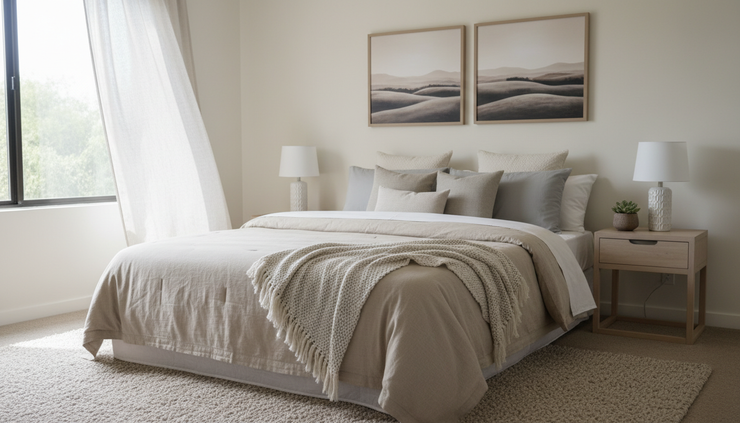
The best first impression comes from a home that feels clean, cared for, bright, and easy to live in. Start at the curb. Walk through like a buyer. Fix what distracts. Keep what makes the space feel calm and welcoming.


Comments