
First Time Homebuyer Mistakes to Avoid Before You Buy

Buying a first home can feel exciting and expensive at the same time. The problem is that some of the costliest mistakes happen before an offer is ever accepted.
A buyer might tour homes with confidence, then find out later that taxes are higher than expected, the inspection missed a major issue, or the monthly payment changed because the interest rate was not locked. None of these problems are rare. The Consumer Financial Protection Bureau encourages buyers to compare loan options, review closing costs, and understand the full payment before committing, because small differences can add up over years.
This guide covers the first-time homebuyer mistakes to avoid before you buy, with practical examples that apply across the U.S. This is informational only and is not financial, legal, or tax advice.
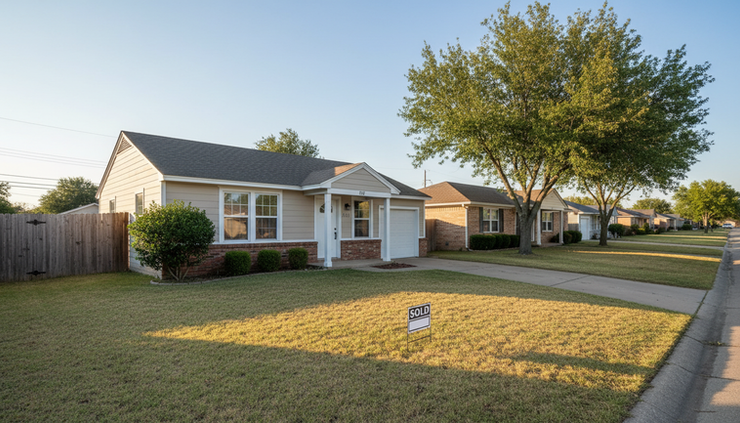
Skipping the full cost of ownership
The mortgage payment is only one part of owning a home. First-time buyers often focus on principal and interest, then get surprised by the rest.
A realistic monthly housing cost can include:
Property taxes
Homeowners insurance
Private mortgage insurance, if required
HOA dues
Utilities
Maintenance
Lawn care or snow removal
Repairs and replacements
Property taxes can vary widely by county, city, and school district. Insurance costs also change based on location, roof age, flood risk, wildfire risk, and claims history in the area.
A simple example helps. A home with a manageable loan payment may become tight if the property tax bill is $500 per month, the HOA fee is $250, and insurance is higher than expected. The listing price does not show the whole picture.
A good rule is to ask for estimates early and check them against public tax records, insurance quotes, and HOA documents. Lenders must provide a Loan Estimate after an application, which shows projected payment details and closing costs. Read it closely.
Shopping for homes before getting clear on financing
Looking at homes before getting preapproved can waste time and create pressure. Preapproval does not guarantee final loan approval, but it gives a better picture of price range, loan type, estimated payment, and cash needed to close.
This matters because a buyer’s budget is not the same as the maximum amount a lender may approve. A lender looks at income, debts, credit, and assets. The buyer still has to live with the payment.
Before touring seriously, compare at least a few loan options. The CFPB notes that buyers can compare Loan Estimates from different lenders to review interest rate, annual percentage rate, monthly payment, and closing costs. Even a small rate difference can affect the payment and long-term interest.
Ask lenders about:
Down payment requirements
Estimated closing costs
Rate lock terms
Discount points
Mortgage insurance
First-time buyer programs
Minimum cash reserves
Do not assume one loan quote represents the whole market. Banks, credit unions, mortgage brokers, and online lenders may price loans differently.

Ignoring the inspection or treating it like a formality
A home inspection is not just a box to check. It is one of the main ways to understand the condition of the property before closing.
Inspectors usually review visible and accessible parts of the home, such as the roof, foundation, electrical system, plumbing, HVAC, attic, windows, and appliances. They do not open walls or guarantee that every issue will be found. Still, a strong inspection report can reveal expensive concerns.
Common findings include:
Old roofs
Poor drainage
Unsafe wiring
Plumbing leaks
Foundation cracks
Failing HVAC systems
Water damage
Pest evidence
A buyer who skips inspection to make an offer look stronger may lose the chance to renegotiate, request repairs, or walk away under an inspection contingency. In competitive markets, some buyers choose a shorter inspection timeline instead of waiving it entirely. That can reduce risk while keeping the offer moving.
Specialty inspections may also make sense. Older homes may need sewer scope inspections. Homes in certain areas may need termite, radon, mold, well, septic, or structural evaluations. The right choice depends on the home and region.
Underestimating closing costs and cash reserves
The down payment is not the only cash needed to buy a home. Closing costs are separate and can include lender fees, title fees, escrow costs, appraisal fees, prepaid taxes, prepaid insurance, and recording charges.
In many cases, closing costs run several percentage points of the purchase price, though the exact amount depends on the loan, state, and transaction. A buyer should rely on the lender’s Loan Estimate and later the Closing Disclosure, not a rough guess from a listing site.
Cash reserves matter after closing too. Homes need repairs, and they rarely wait for a convenient time. A water heater can fail in the first month. A refrigerator can stop cooling a week after move-in. Even a well-maintained house will need regular upkeep.
That is why draining every dollar for the purchase can create stress. A safer plan keeps money aside for immediate needs, moving costs, utility deposits, basic furniture, and emergency repairs.

Falling in love with the house and missing the contract details
Emotion is part of buying a home, but the contract controls what happens next. Price is only one term.
Important details include:
Inspection deadline
Financing contingency
Appraisal contingency
Earnest money terms
Seller concessions
Closing date
Included appliances
HOA document review period
Repair agreement language
For example, if an appraisal comes in below the purchase price, the contract determines whether the buyer can renegotiate, bring extra cash, or cancel without losing earnest money. If the contract says the washer and dryer are included, that should be written clearly.
HOA rules deserve close review as well. Some communities restrict rentals, pets, exterior changes, parking, fences, or landscaping. The monthly fee is only part of the issue. The association’s financial health, reserve funds, and special assessment history can affect future costs.
A good agent will explain the key terms and recommend professional guidance when needed. A real estate attorney may also be useful or required, depending on the state.
FAQ
How much money should a first-time buyer save before buying?
Save for the down payment, closing costs, moving expenses, and a repair fund. The right number depends on the purchase price, loan type, and local costs, so ask lenders for written estimates early.
Is it bad to buy with a low down payment?
Not always. FHA, VA, USDA, and some conventional loans allow lower down payments for qualified buyers. The tradeoff may include mortgage insurance, funding fees, or stricter property requirements.
Should I waive the home inspection?
Waiving inspection can increase risk. If the market is competitive, ask about options such as a shorter inspection period or an informational inspection instead of skipping it completely.
What is the biggest mistake first-time homebuyers make?
One of the biggest mistakes is buying based on the approval amount instead of a comfortable monthly budget. A home should fit both the loan requirements and everyday life.

A smarter first purchase starts before the offer
The best time to avoid buyer regret is before signing a contract. Know the full cost, compare loan options, protect your inspection rights, review the contract, and keep cash available after closing.
If you want help sorting through the buying process, contact the Meoni Team before you make your next move. A careful plan now can make the first set of house keys feel much better later.

Comments